Creating a Design System for a Major Bank
Overview
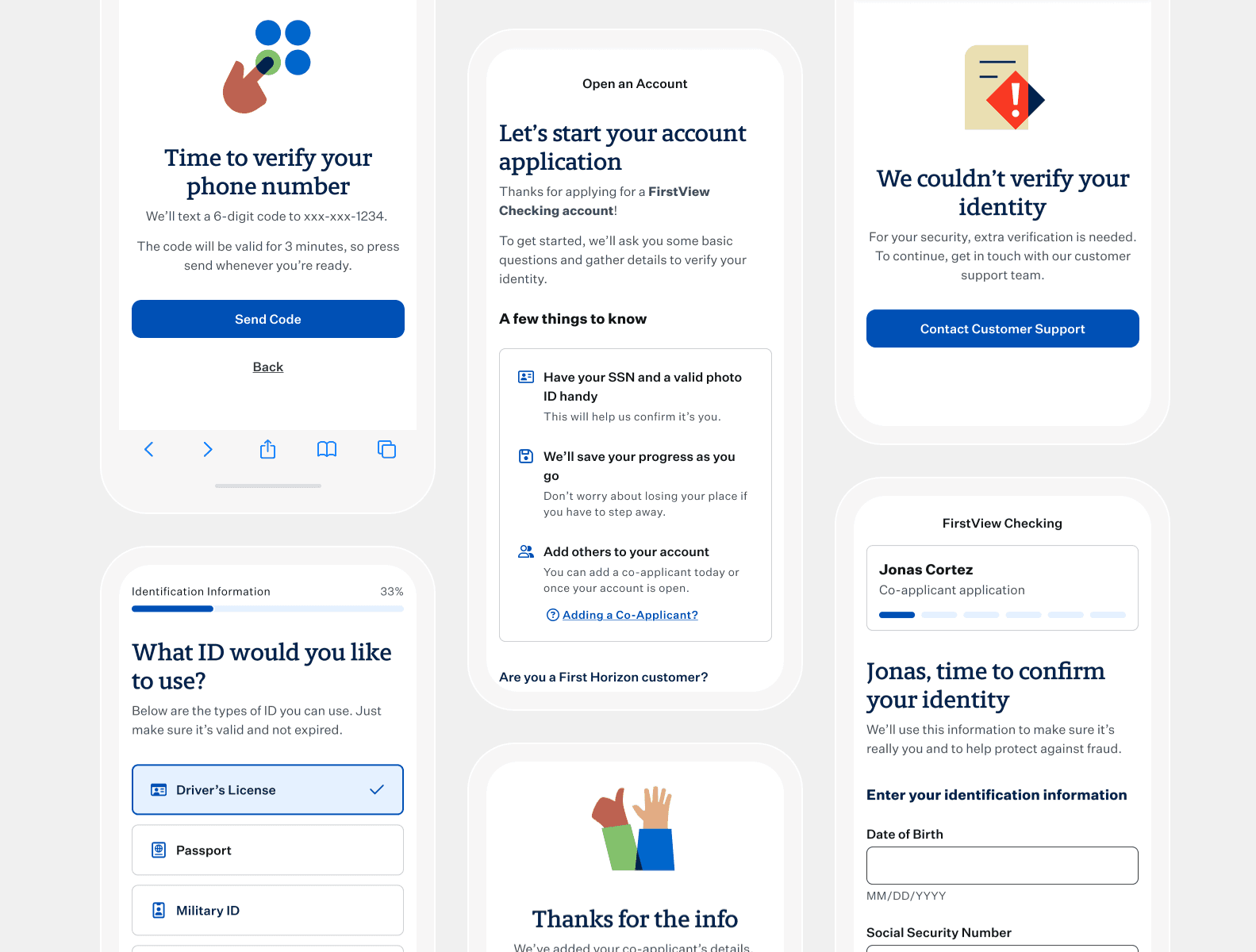
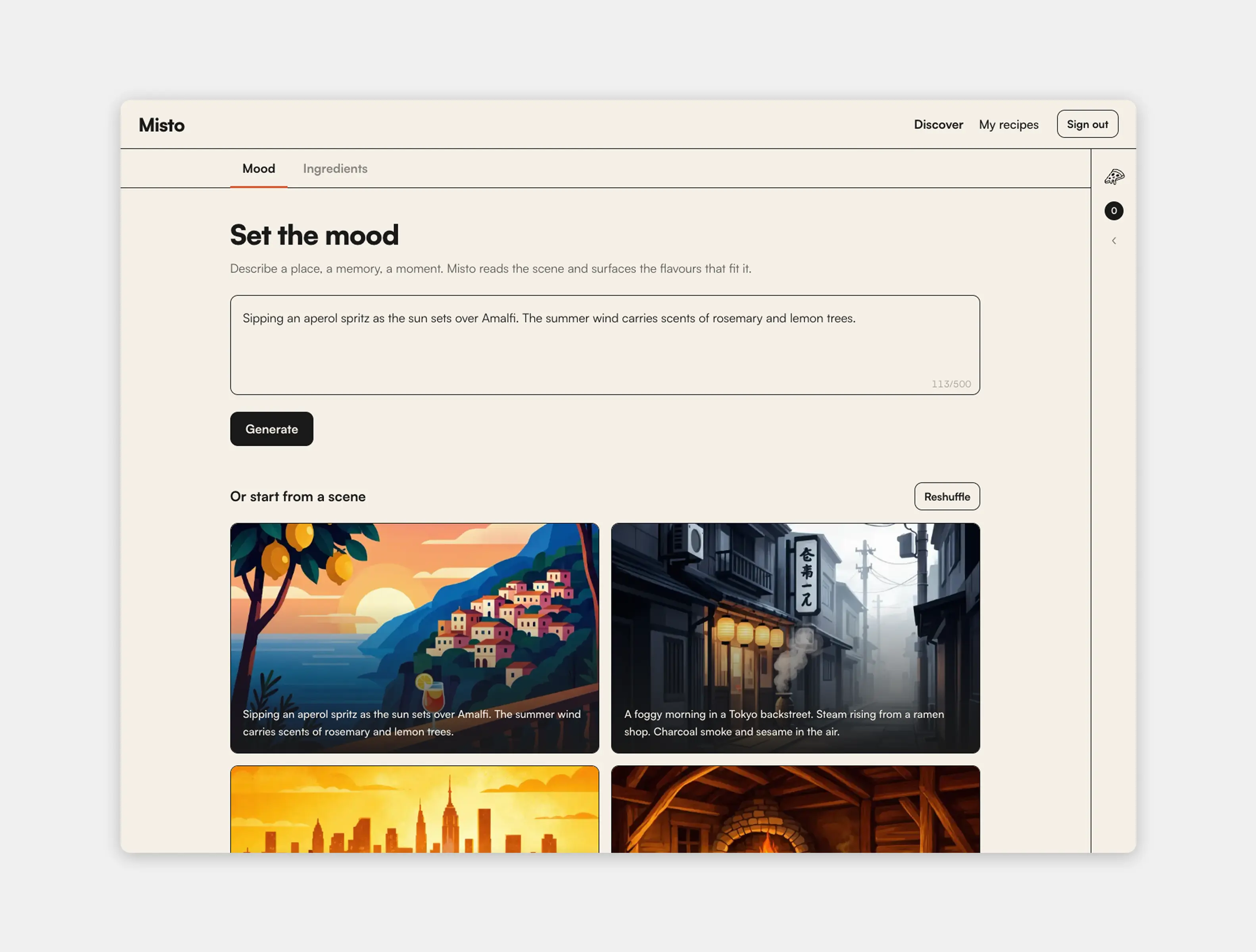
Synchrony was rebuilding its B2B digital application and servicing experiences in-house, moving away from a third-party provider toward custom branded experiences for each retail partner. I was brought in to help produce these experiences, but quickly recognized the deeper problem: the team's design process couldn't scale to support a growing client portfolio.
Categories
Design Ops
Finance
Date
2024-2025
Client
Synchrony
Opportunity
For every new client added to the portfolio, the process was the same: duplicate the previous client's files and manually update branding, content, and functionality screen by screen. It worked, but it didn't scale. Onboarding new clients was a manual slog, and maintenance was about to become unmanageable. Any update to a core flow would have to be replicated across every client's files individually. The team had been hired to produce experiences. I saw an opportunity to fix the system that produced them.

Action
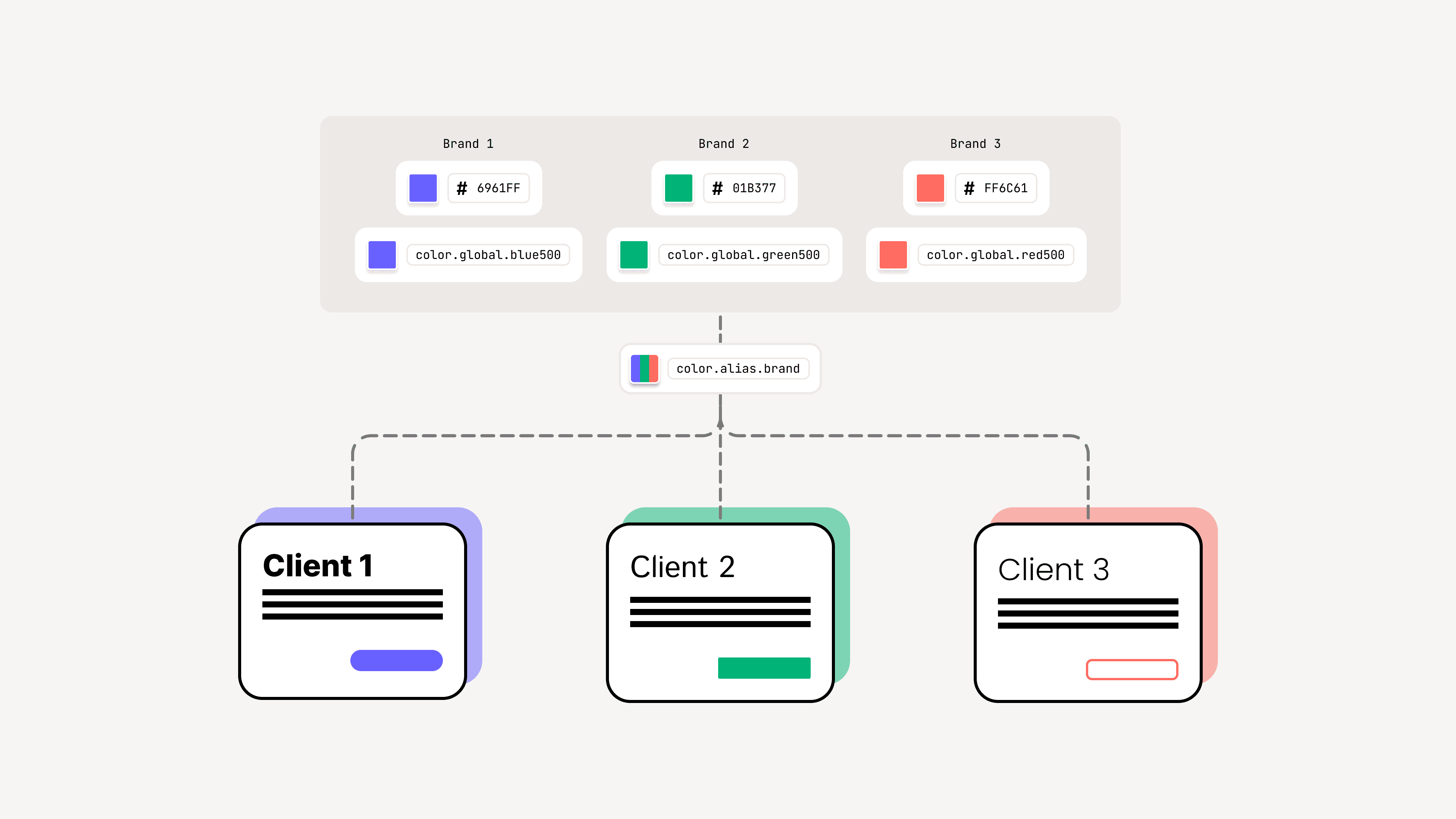
I pitched a token-based design system built on atomic design principles, where one source of truth could power every client's branded experience through a theme swap. The pitch had a clear hook for stakeholders: one update could ripple to all branded experiences at once. Alongside the system work, I coordinated with other embedded consultants across teams to advocate for a migration from Sketch and Invision to Figma, which the token architecture required. As Synchrony began building out its own internal design team, I led weekly working sessions and coaching for each new designer, focused on making them confident owners of the system rather than just users of it.
Result
New client launch time went from weeks to days. Seven client experiences shipped on the new system before I rolled off, with a child design system living under Synchrony's broader organizational design system. The original 12-month engagement extended to 18 months. The system is still in use today. My manager joked that I had automated myself out of a job, which was exactly the goal.

Reflection
Two things stuck with me from this project. The first is that process improvement and product improvement are not separate problems. Better tools and patterns give teams more time to spend on the parts that matter, and users feel that even if they never see it. The second is about pace. I tried to do too much at once, migrating to Figma, introducing a new design system, and adopting a token workflow, all while shipping client work. Pushing change too fast doesn't make it happen faster, it makes it stick less. Slowing down and reducing the cognitive load on the team was the right call. I should have made it from the start.
Creating a Design System for a Major Bank
Overview
Synchrony was rebuilding its B2B digital application and servicing experiences in-house, moving away from a third-party provider toward custom branded experiences for each retail partner. I was brought in to help produce these experiences, but quickly recognized the deeper problem: the team's design process couldn't scale to support a growing client portfolio.
Categories
Design Ops
Finance
Date
2024-2025
Client
Synchrony
Opportunity
For every new client added to the portfolio, the process was the same: duplicate the previous client's files and manually update branding, content, and functionality screen by screen. It worked, but it didn't scale. Onboarding new clients was a manual slog, and maintenance was about to become unmanageable. Any update to a core flow would have to be replicated across every client's files individually. The team had been hired to produce experiences. I saw an opportunity to fix the system that produced them.
Action
I pitched a token-based design system built on atomic design principles, where one source of truth could power every client's branded experience through a theme swap. The pitch had a clear hook for stakeholders: one update could ripple to all branded experiences at once. Alongside the system work, I coordinated with other embedded consultants across teams to advocate for a migration from Sketch and Invision to Figma, which the token architecture required. As Synchrony began building out its own internal design team, I led weekly working sessions and coaching for each new designer, focused on making them confident owners of the system rather than just users of it.
Result
New client launch time went from weeks to days. Seven client experiences shipped on the new system before I rolled off, with a child design system living under Synchrony's broader organizational design system. The original 12-month engagement extended to 18 months. The system is still in use today. My manager joked that I had automated myself out of a job, which was exactly the goal.
Reflection
Two things stuck with me from this project. The first is that process improvement and product improvement are not separate problems. Better tools and patterns give teams more time to spend on the parts that matter, and users feel that even if they never see it. The second is about pace. I tried to do too much at once, migrating to Figma, introducing a new design system, and adopting a token workflow, all while shipping client work. Pushing change too fast doesn't make it happen faster, it makes it stick less. Slowing down and reducing the cognitive load on the team was the right call. I should have made it from the start.